An environmental library of Japanese picture books for children published after 1945. Books whose heroes are anthropomorphized landscapes, plants, natural objects, insects, and other more-than-human actors aim to explore how ehon convey a relationship to nature and the living world. With the hope that when a mountain has a face, it is not so easy to start digging into it.
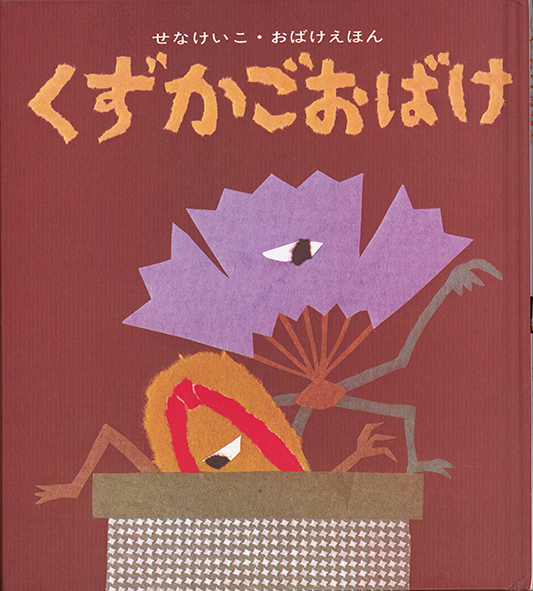
A story about a girl who throws everything away, and the things she has turned into rubbish come back to haunt her as ghosts. The author writes about her book: "When I draw stories like this, people sometimes think it is a book about discipline that says: 'Don't throw anything away.' But I don't draw them because I think they are useful. I draw them simply because I think children will enjoy them. Wouldn't you find it more appealing to hear: 'That doll might turn into a ghost,' than to hear: 'Don't throw it away!'?"
The Wastebasket Ghost Sena Keiko — Ghost Book Series
A story about a girl who throws everything away, and the things she has turned into rubbish come back to haunt her as ghosts. The author writes about her book: "When I draw stories like this, people sometimes think it is a book about discipline that says: 'Don't throw anything away.' But I don't draw them because I think they are useful. I draw them simply because I think children will enjoy them. Wouldn't you find it more appealing to hear: 'That doll might turn into a ghost,' than to hear: 'Don't throw it away!'?"
A story about a girl who throws everything away, and the things she has turned into rubbish come back to haunt her as ghosts. The author writes about her book: "When I draw stories like this, people sometimes think it is a book about discipline that says: 'Don't throw anything away.' But I don't draw them because I think they are useful. I draw them simply because I think children will enjoy them. Wouldn't you find it more appealing to hear: 'That doll might turn into a ghost,' than to hear: 'Don't throw it away!'?"
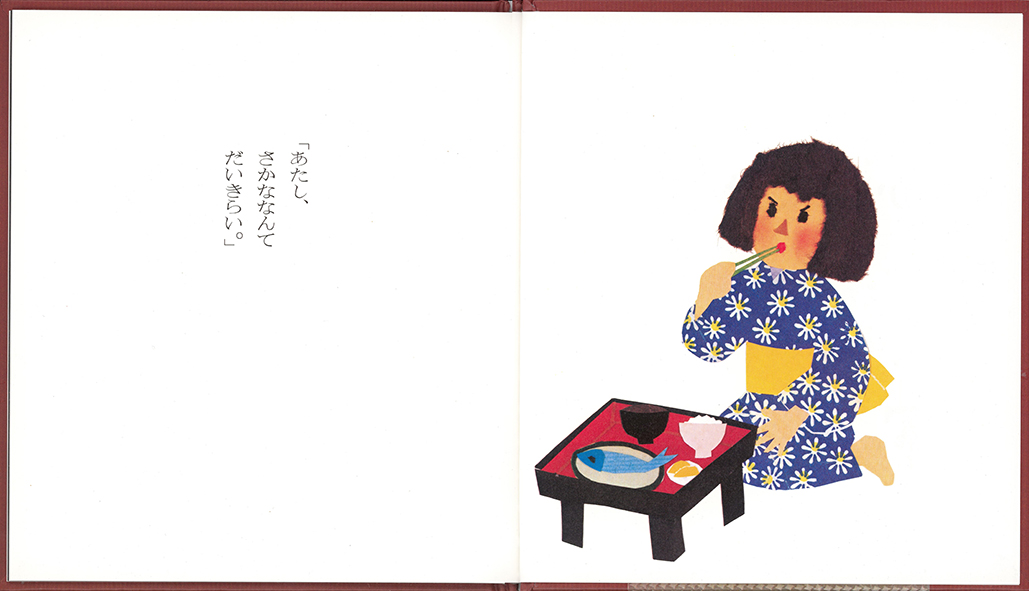
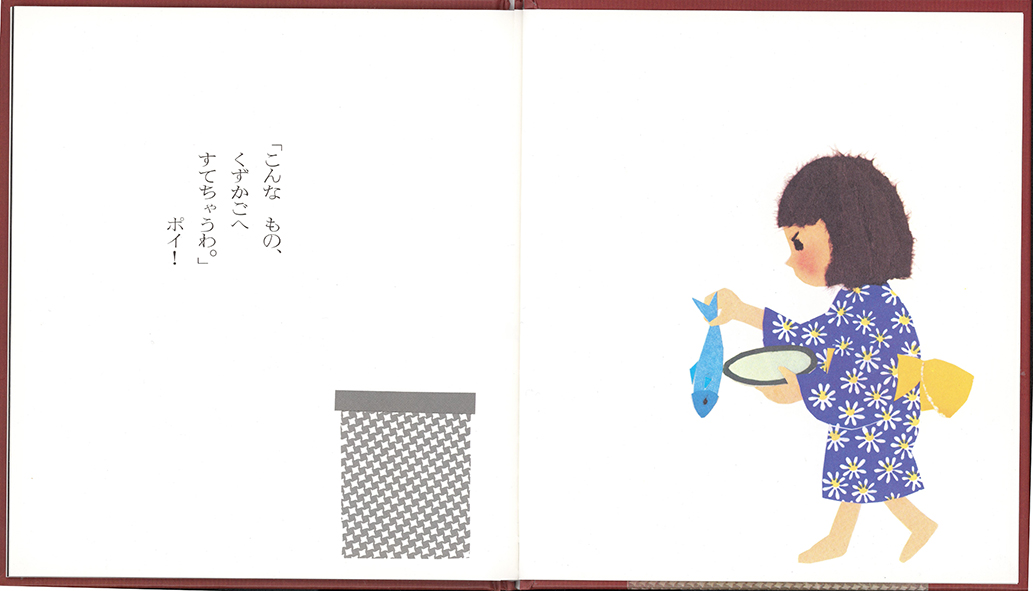
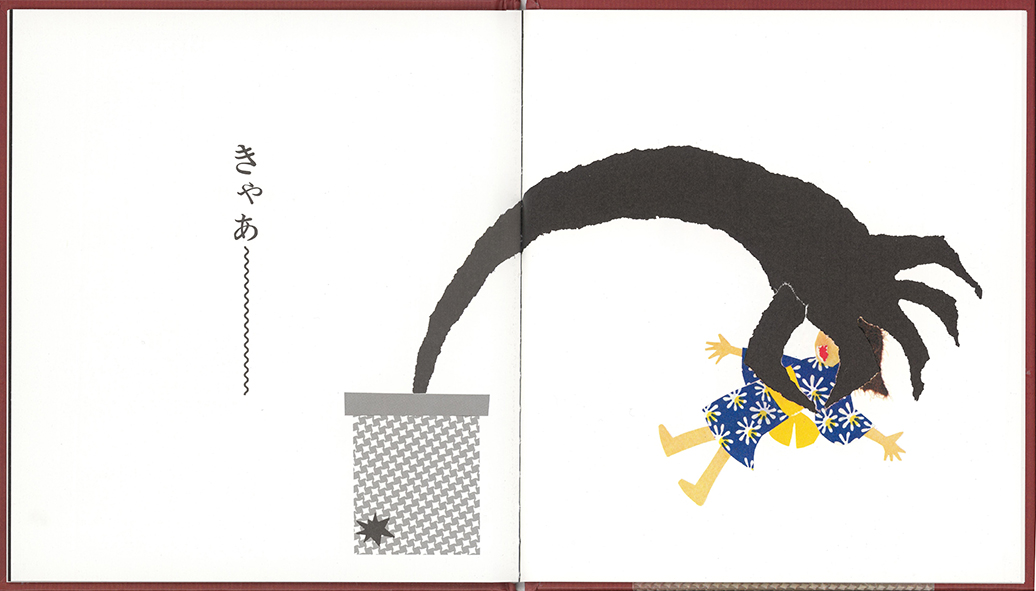
Something like that I'll throw in the wastebasket. In it goes!
A story about a girl who throws everything away, and the things she has turned into rubbish come back to haunt her as ghosts. The author writes about her book: "When I draw stories like this, people sometimes think it is a book about discipline that says: 'Don't throw anything away.' But I don't draw them because I think they are useful. I draw them simply because I think children will enjoy them. Wouldn't you find it more appealing to hear: 'That doll might turn into a ghost,' than to hear: 'Don't throw it away!'?"
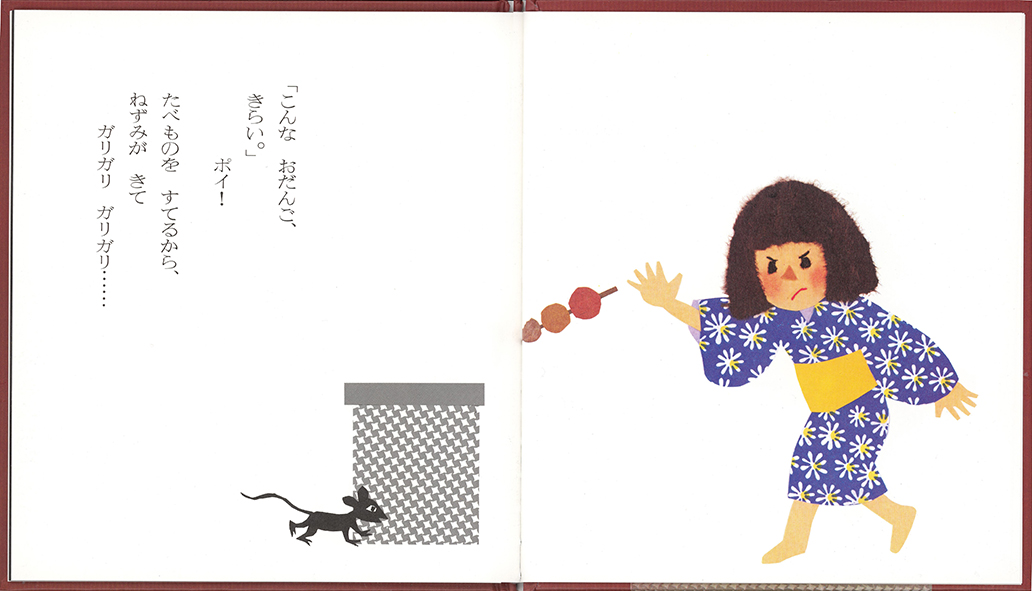
I don't like dango. In it goes! If I throw food away, a mouse will come. Munch munch.
A story about a girl who throws everything away, and the things she has turned into rubbish come back to haunt her as ghosts. The author writes about her book: "When I draw stories like this, people sometimes think it is a book about discipline that says: 'Don't throw anything away.' But I don't draw them because I think they are useful. I draw them simply because I think children will enjoy them. Wouldn't you find it more appealing to hear: 'That doll might turn into a ghost,' than to hear: 'Don't throw it away!'?"
A story about a girl who throws everything away, and the things she has turned into rubbish come back to haunt her as ghosts. The author writes about her book: "When I draw stories like this, people sometimes think it is a book about discipline that says: 'Don't throw anything away.' But I don't draw them because I think they are useful. I draw them simply because I think children will enjoy them. Wouldn't you find it more appealing to hear: 'That doll might turn into a ghost,' than to hear: 'Don't throw it away!'?"
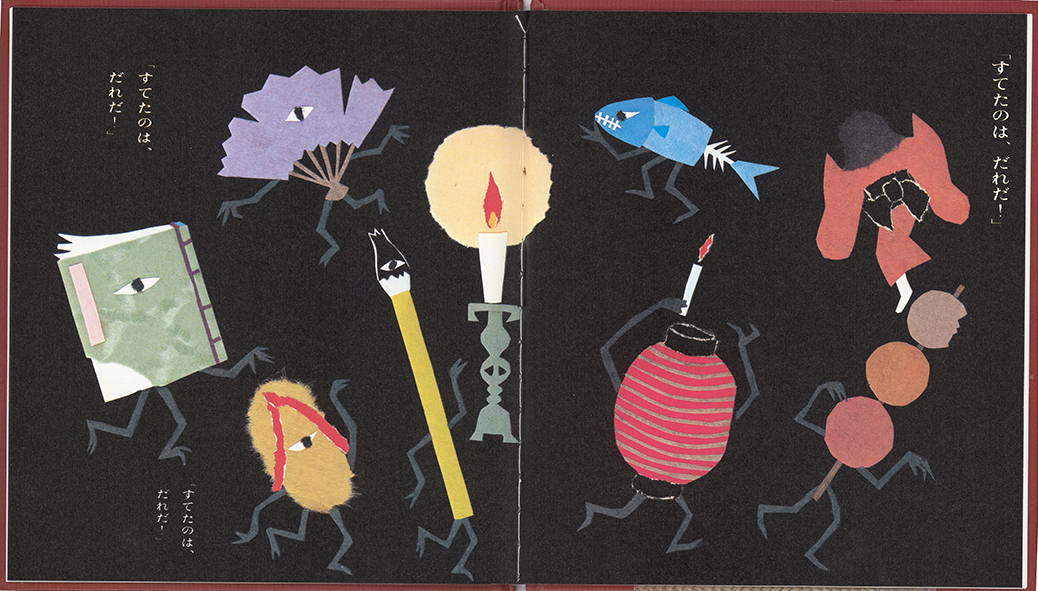
"Who threw me away?" "Who threw me away?" "Who threw me away?"
A story about a girl who throws everything away, and the things she has turned into rubbish come back to haunt her as ghosts. The author writes about her book: "When I draw stories like this, people sometimes think it is a book about discipline that says: 'Don't throw anything away.' But I don't draw them because I think they are useful. I draw them simply because I think children will enjoy them. Wouldn't you find it more appealing to hear: 'That doll might turn into a ghost,' than to hear: 'Don't throw it away!'?"
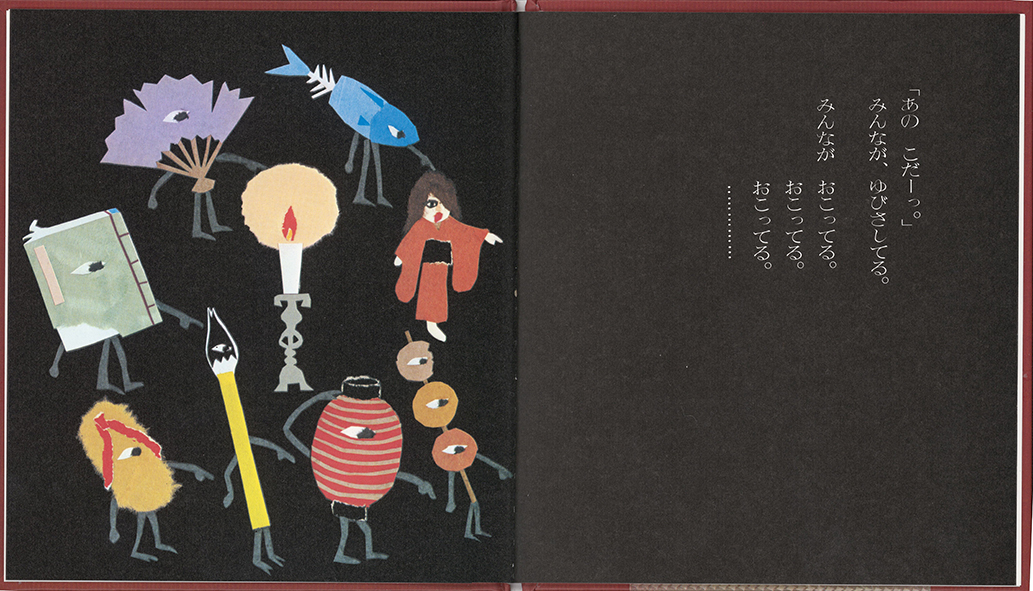
"Ah, they're coming this way!" Everyone is pointing. Everyone is angry. Everyone is angry. ………
A story about a girl who throws everything away, and the things she has turned into rubbish come back to haunt her as ghosts. The author writes about her book: "When I draw stories like this, people sometimes think it is a book about discipline that says: 'Don't throw anything away.' But I don't draw them because I think they are useful. I draw them simply because I think children will enjoy them. Wouldn't you find it more appealing to hear: 'That doll might turn into a ghost,' than to hear: 'Don't throw it away!'?"
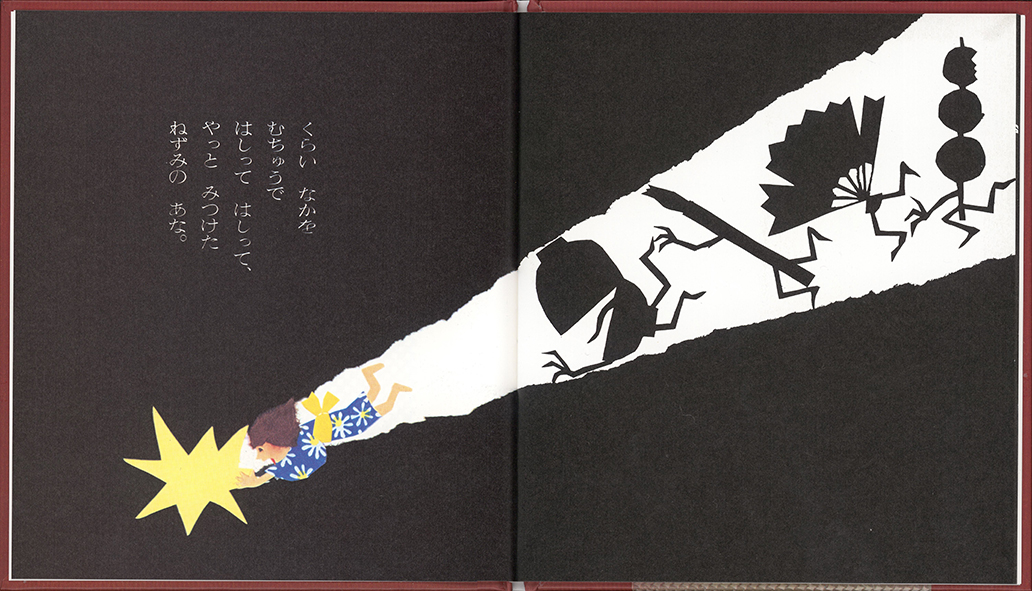
Racing through the dark, running and running, she finally found it — a mouse hole.
A story about a girl who throws everything away, and the things she has turned into rubbish come back to haunt her as ghosts. The author writes about her book: "When I draw stories like this, people sometimes think it is a book about discipline that says: 'Don't throw anything away.' But I don't draw them because I think they are useful. I draw them simply because I think children will enjoy them. Wouldn't you find it more appealing to hear: 'That doll might turn into a ghost,' than to hear: 'Don't throw it away!'?"
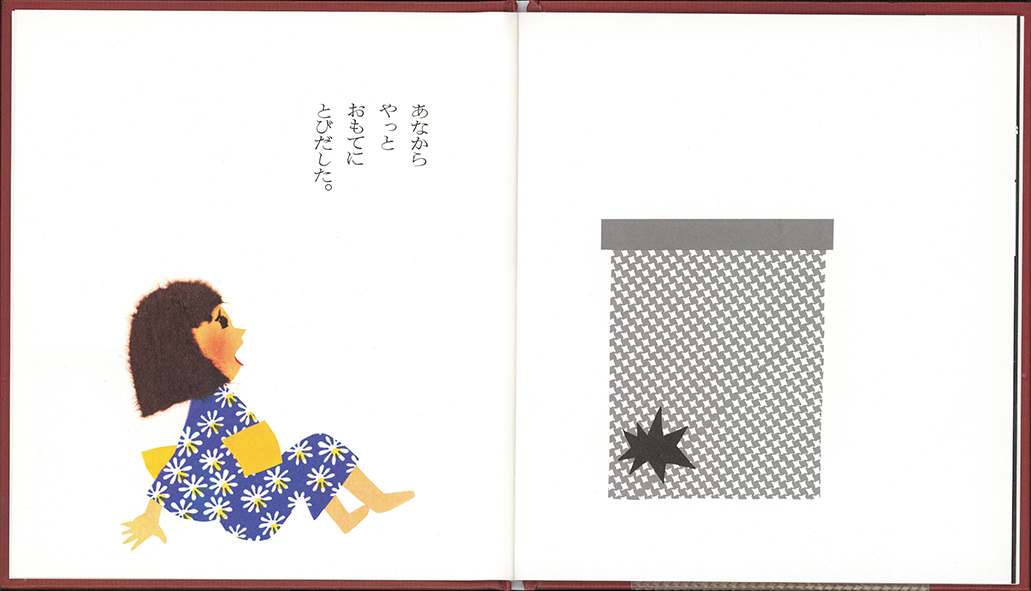
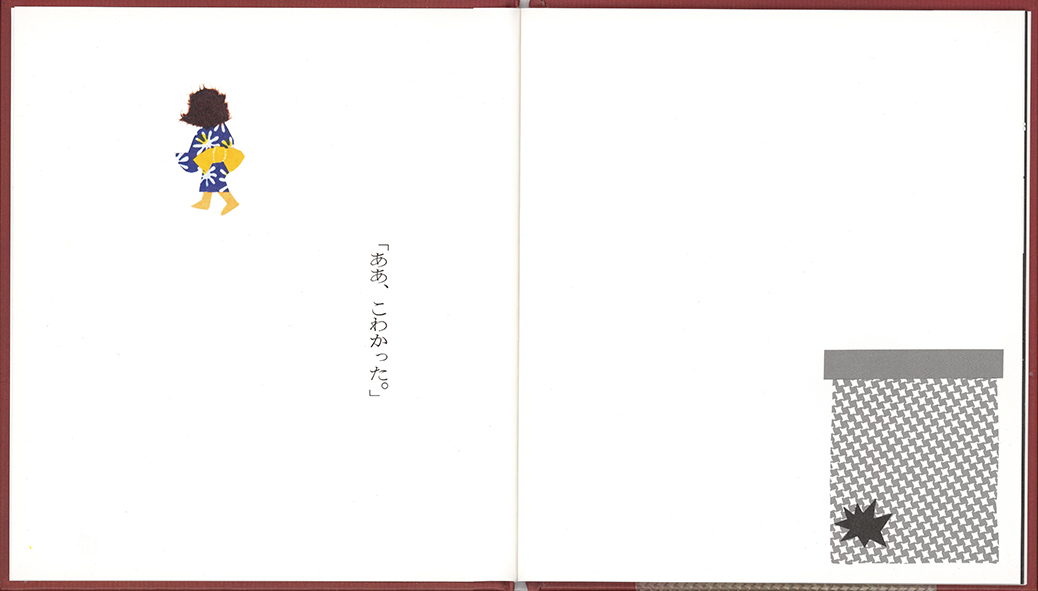
She jumped out of the hole and back to the surface.
A story about a girl who throws everything away, and the things she has turned into rubbish come back to haunt her as ghosts. The author writes about her book: "When I draw stories like this, people sometimes think it is a book about discipline that says: 'Don't throw anything away.' But I don't draw them because I think they are useful. I draw them simply because I think children will enjoy them. Wouldn't you find it more appealing to hear: 'That doll might turn into a ghost,' than to hear: 'Don't throw it away!'?"